

YOU HAVE NO ITEMS IN YOUR CART.

1391 E Boone Industrial Blvd
Columbia, MO 65202
(718) 210-3913

Featured Brands
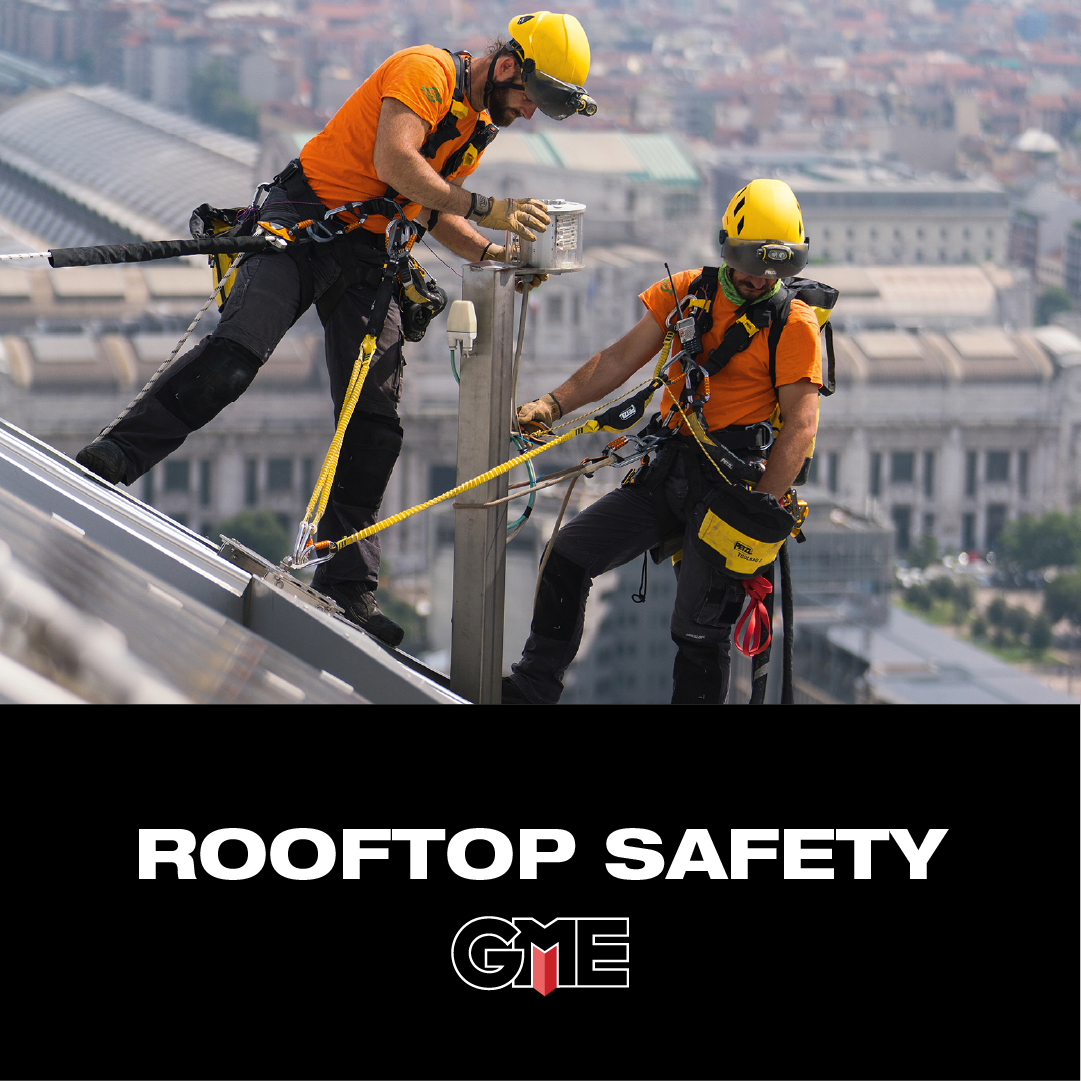
Safety Stand-Down Week 2026: The Roof, the Roof - Stay Safe on the Roof
Rooftop Safety
Every year, falls from elevation are the leading cause of death for construction and at-height employees. Safety Stand-Down Week - created by OSHA, was established to raise fall hazard awareness across the U.S. in an effort to stop fall fatalities and injuries.
For day two of Safety Stand-Down Week, we're focusing on the rooftop safety and how important the right fall protection setup is when working on a roof.
Don't Ignore Rooftop Safety
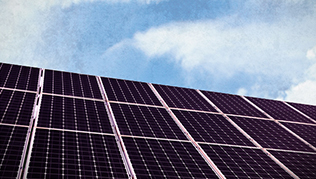
From small cell deployment and solar installs to general roofing and equipment maintenance there are many reasons why you might find yourself working on a roof. Not all roofs are alike - some are flat and some are sloped, some are constructed of metal and others are made of a combination of materials like asphalt shingles. But all roofs do have something in common - the need for fall protection to ensure the safety of you and your crew while on the job.
According to the annual Census of Fatal Occupational Injuries Summary by the Bureau of Labor Statistics, in 2022, the total number of fatal workplace injuries for roofing work was 124 - with nearly 81% of those being due to a fall, trip, or slip. The bulk of those injuries were in the residential roofing sector (91), but 33 of them were classified as nonresidential - meaning that whether you’re working on homes or commercial buildings the danger of experiencing a fatal workplace injury while on a roof is very real.
Requirements for Fall Protection
The easiest solution to eliminating fatal rooftop accidents is to always use fall protection and to understand what type of fall protection equipment is the best option for the task at hand.
Per OSHA 1926.501 employers are required to provide fall protection systems for any employee on a walking/working surface with an unprotected side or edge that is 6 feet or more above a lower level.
Sloped Roofs
A sloped roof (sometimes called a steep roof) is, per OSHA 1926.500, a roof with a slope greater than 4/12 (vertical to horizontal). Sloped roofs are regulated by OSHA 1926.501 meaning that each worker must be protected by Guardrail systems with toeboards, safety net systems, or personal fall arrest systems.
Personal fall arrest systems are often the most feasible method when working on sloped roofs and are most commonly comprised of:
- A roof anchor
- A rope lifeline
- A shock absorbing lanyard
- A rope Grab
Flat Roofs
A flat roof (sometimes called a low slope roof) has different rules and regulations around how to safely perform work than that of sloped roofs. 1926.501 is still in effect even if the roof has minimal slope. However, the distance of the work being done from the edge of the structure may mean that different fall protection solutions can be implemented.
When working within 6 feet of the edge of flat roofs, employees must be protected from falling by guardrail systems, safety net systems, personal fall arrest systems, or a combination of a warning line and guardrail systems.
If the work is between 6 and 15 feet from the edge, the same rules apply except when the work is infrequent or temporary. For infrequent or temporary work, a secured “designated area” is acceptable. It’s important to note that a warning line is required 6 feet from the edge to serve as a warning when a designated area is being used.
When the work is over 15 feet from the edge, fall protection is still required unless the work is infrequent and temporary. If that is the case, no fall protection is required. However, a rule that prohibits people from going within 15 feet of the edge without proper fall protection needs to be implemented and enforced.
Hidden Dangers on Roofs
While Safety Stand-Down Week is meant to focus specifically on fall protection, our Gear Experts have teamed up with FieldSENSE to talk about an unseen danger that you may encounter while working on rooftops.
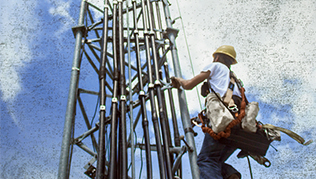
As a rooftop technician, your work takes you to some of the highest and most exposed places on the job site. Whether you're installing HVAC systems, performing maintenance, or applying waterproofing, safety should always be top of mind. But there’s one invisible hazard that often goes unnoticed: RF (radio frequency) radiation from transmitting antennas for various services like 5G mobile coverage or rooftop FM transmitters among others. Transmitting antennas are commonly found on rooftops, and while they help keep you connected, they may also cause you to be overexposed to RF.
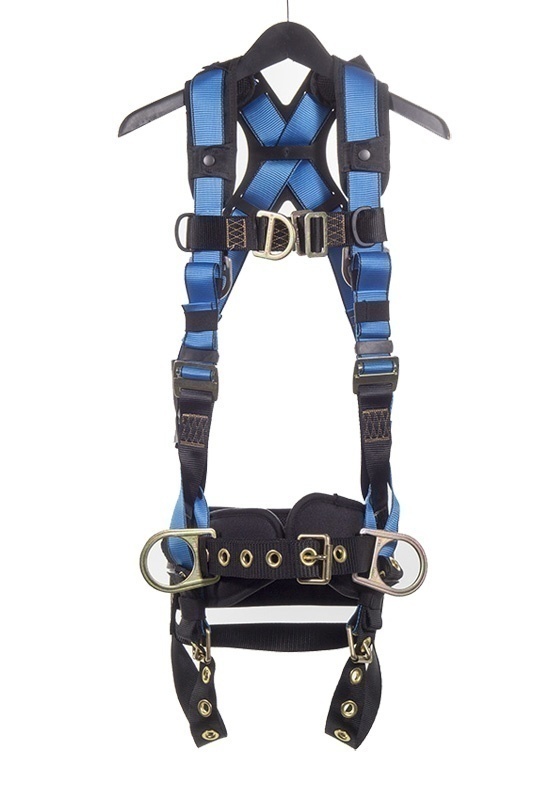
Now, imagine knowing exactly how much RF you're being exposed to – in real time. That’s where an RF monitor like the fieldSENSE personal RF monitor from our friends at FieldSENSE comes in. Designed specifically for professionals like you, this lightweight, robust, and unobtrusive device continuously monitors your environment for your combined RF radiation exposure to all services present. Just clip it to your harness, and it will alert you the moment you come within reach of the maximum exposure levels – allowing you to take corrective actions in time.
FieldSENSE helps you work smarter and safer. No guesswork. No assumptions. Just clear, accurate data to help you stay within safe working limits. With a fieldSENSE, you stay in control - because your safety matters, even when the danger isn’t visible.
Fall Protection on Sloped Roofs
featuring Petzl
Safety Spotlight
featuring Ontivity
Questions or Need More Info?
If you have any questions regarding the above information or need more insight into safety or fall protection in general, reach out to our Gear Experts®! Click here to contact our team, or use the instant chat feature in the lower right hand corner of your browser screen. Also be sure to connect with us on social media to keep up with all of our latest content.
***The content of this page is not intended to replace proper, in-depth training. Manufacturer’s instructions must also be followed and reviewed before any equipment is used.